
Every child deserves to feel calm, confident, and connected, both to themselves and to Allah. Yet today, many children in the U.S. struggle with big emotions, stress, and social pressures that can affect how they learn and grow.
At The Muraqaba School, we believe that a strong heart is just as important as a strong mind. By teaching emotional awareness alongside spiritual mindfulness, we help students understand their feelings, show kindness to others, and find peace through faith.
The Importance of Emotional Growth
During early years, children begin to recognize and express feelings like happiness, anger, and fear. This stage, known as emotional development in early childhood, shapes how they relate to others and respond to challenges.
When supported with care, emotional growth helps children build self-control, confidence, and empathy. These skills carry into every part of life, from friendships to faith.
This ongoing process of emotional development in childhood continues to shape how children handle challenges and build relationships as they grow.
Social emotional development in early childhood builds on this foundation. It includes learning to cooperate, share, and solve problems. At Muraqaba, classroom routines and discussions help students name their emotions, practice calm breathing, and speak kindly. They learn that understanding others begins with understanding themselves.
The Role of Spiritual Awareness
While emotional intelligence guides how a child behaves, spiritual awareness shapes why they behave that way. A strong spiritual foundation gives children meaning and direction.
Spiritual development examples appear in small, daily acts, such as alhamdulillah after a meal, showing patience, or remembering Allah before making a choice. These actions teach children that their emotions and behavior are part of a larger purpose.
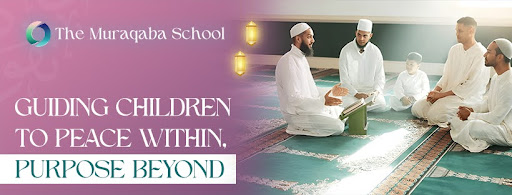
At Muraqaba, we teach muraqaba, mindful awareness of Allah as a daily practice. Through short reflections, quiet time, and gratitude exercises, children learn to pause, notice their feelings, and seek calm through remembrance. This connection helps them respond thoughtfully rather than react impulsively.
The HEART Model of Growth
Our HEART Framework: Heal, Engage, Achieve, Rise, Thrive integrates emotional and spiritual education.
Every element of this model is designed to nurture balanced development rooted in Islamic values.
Teachers and Parents as Partners
Muraqaba educators serve as murabbi, mentors who model calmness, empathy, and reflection. They guide students to think before reacting and to connect emotions with faith.
Parents continue this growth at home. When families discuss feelings, reflect together, and share small acts of gratitude, children experience consistency between home and school.
This partnership strengthens social emotional development in early childhood, helping children feel supported both at home and in the classroom.
Supporting Growth at Home
Parents can reinforce emotional and spiritual growth through simple, consistent habits:
These practices help children manage emotions while staying connected to their faith.
Building Strong Hearts and Minds
Children thrive when their emotional and spiritual needs are met together. Emotional skills give them balance; spiritual values give them purpose.
The Muraqaba School shares the same values of compassion and care found in the best Muslim orphan charity initiatives, nurturing young hearts with empathy, purpose, and faith.
When the heart is guided by faith and the mind by understanding, a child grows with true confidence, ready to contribute, lead, and serve with compassion.
Learn more: https://www.muraqabaschool.org/
.webp)


Copyright © Muraqaba 2024. All rights reserved.